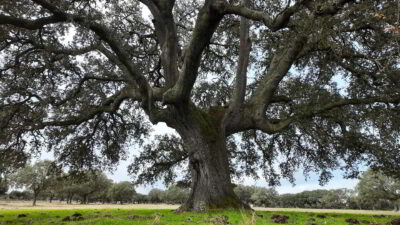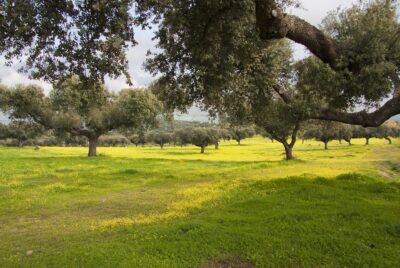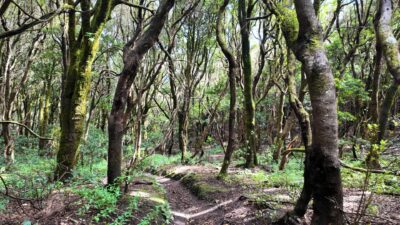

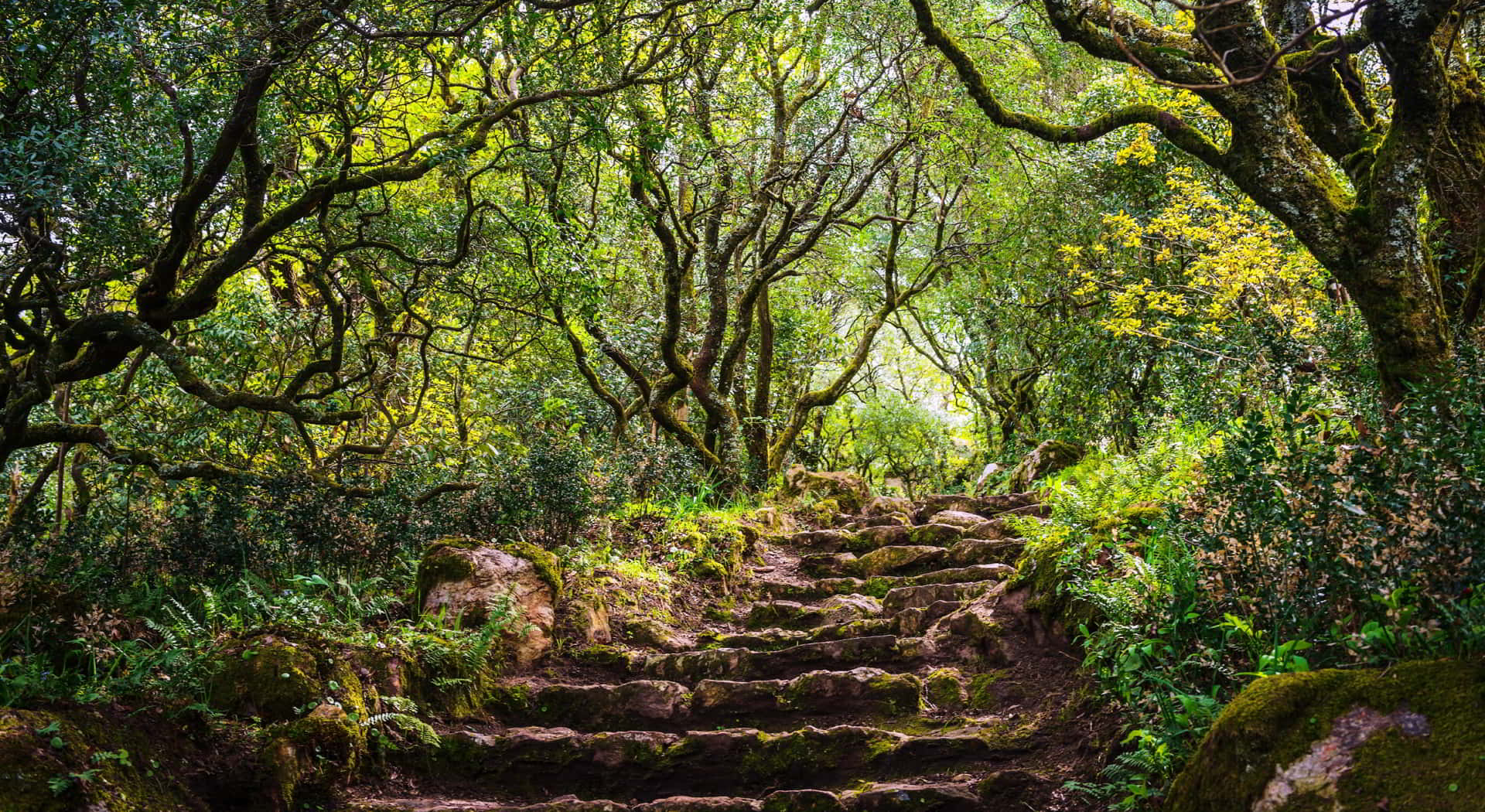
Buçaco National Forest (Mata Nacional do Buçaco) is one of Portugal’s most extraordinary natural and cultural treasures. Located in the Centro region, near the spa town of Luso in the municipality of Mealhada, this ancient walled forest is a unique blend of botanical wonder, religious history, and military heritage. Its origins as a protected site date back to the 17th century when the Discalced Carmelites established a convent and enclosed the area with a wall, planting a diverse collection of trees from around the world. Today, covering 105 hectares, it is home to one of the finest dendrological collections in Europe and is a candidate for UNESCO World Heritage status .
Key Information
- Name: Buçaco National Forest (Mata Nacional do Buçaco / Bussaco Forest)
- Location: Serra do Buçaco, near Luso, Mealhada, Centro Region, Portugal
- Size: 105 hectares (approximately 1,450 meters by 950 meters), enclosed by a 5-kilometer perimeter wall
- Elevation: Ranges from 190 meters to 549 meters at the highest point, Cruz Alta
- Status: Protected National Forest; submitted to UNESCO’s tentative list of World Heritage Sites in 2004
- Climate: A unique microclimate characterized by mild temperatures, high humidity, frequent morning fog, and precipitation nearly double the regional average
Type of Trees and Flora
Buçaco Forest boasts an exceptional collection of over 250 species of trees and shrubs, totaling nearly 700 plant varieties. This remarkable diversity results from centuries of planting by the Carmelites and later introductions by Portuguese navigators during the Age of Discovery .
The forest is organized into four distinct landscape units :
- The Arboretum: Covering approximately 80% of the forest, this is the result of the monks’ reforestation efforts. It features a vast collection of both native and exotic species.
- Floresta Relíquia (Relic Forest): The most scientifically valuable section, this area preserves patches of the natural climax vegetation that covered central Portugal before human occupation. It is characterized by native Mediterranean species including:
- Mock Privet (Phillyrea latifolia): Forms unique “adernal” formations—pure stands of tree-sized mock privet that are now found only in Buçaco within continental Portugal .
- Bay Laurel (Laurus nobilis): One of the characteristic species of the relic forest, reflecting the area’s ancient laurel forest heritage .
- Oak Species (Quercus robur and Quercus pyrenaica): Deciduous oaks that indicate Atlantic influence within this predominantly Mediterranean ecosystem .
- Portugal Laurel (Prunus lusitanica) and Strawberry Tree (Arbutus unedo) .
- Gardens and Vale dos Fetos (Valley of the Ferns): Featuring lush plantings from the 19th century, including impressive tree ferns that create a Jurassic-like atmosphere .
- Pinhal do Marquês: A 15-hectare area of maritime pines currently undergoing restoration .
Iconic and Remarkable Tree Species:
- Mexican Cypress (Cupressus lusitanica): Also known as the Buçaco Cedar or Cedar of Goa, this is the forest’s most abundant tree and its emblem. A 200-year-long debate over its origins (whether from Goa or Mexico) was settled in 1993 when it was reclassified as a native of Mexico .
- Tasmanian Mountain Ash (Eucalyptus regnans): A towering eucalypt near the palace, described by wine writer Hugh Johnson as “surely Europe’s most magnificent” .
- Bunya Pine (Araucaria bidwillii): One notable specimen, called the “Green Palace,” was planted around 1890 and is featured in Thomas Pakenham’s Remarkable Trees of the World .
- Wellington’s Olive Tree: An olive tree to which the Duke of Wellington tethered his horse before the 1810 Battle of Buçaco still stands as a living historical marker .
- Other Specimens: The forest also contains impressive examples of sequoias, ginkgo biloba, camellias (30 cultivars introduced in 1894), and many other exotic species .
Longevity of the Specimens
The trees of Buçaco Forest represent a living collection of centenarian and, in some cases, millennial-aged specimens.
- Ancient Relic Forest Trees: Within the Floresta Relíquia, some trees are remnants of the primitive forest that existed before human occupation. These individuals, including native laurels and oaks, are the oldest in the forest, with some specimens estimated to be several centuries old, representing an unbroken link to the region’s ancient ecological past .
- Carmelite-Era Plantings: Many trees planted by the Discalced Carmelites from the 17th century onwards are now 300 to 400 years old. Among these are some of the original Mexican cypress and oak specimens .
- 19th-Century Introductions: Trees introduced during the 19th century, such as the Bunya pine near the palace, are approximately 130 to 150 years old . The Tasmanian mountain ash, though a fast-growing species, has reached a monumental size and age within this protected environment .
- Notable Losses: The forest suffered significant losses during Windstorm Gong in January 2013, which felled an estimated 40% of the trees, including the Cedro de São José, a beloved cypress believed to have been planted in 1644 .
Ecological and Cultural Importance
Buçaco Forest is a site of immense ecological and cultural significance, recognized as a National Monument .
Ecological Significance:
- Biodiversity Haven: The forest provides refuge for a remarkable array of fauna, including:
- Amphibians: 17 species, including the Iberian endemic golden-striped salamander (Chioglossa lusitanica) .
- Reptiles: 14 species, such as the water lizard and two species of water snakes .
- Birds: Approximately 80 species, including endangered raptors like the booted eagle and northern goshawk .
- Mammals: 35 species, including the red squirrel, foxes, genets, and 15 species of bats .
- Unique Ecosystem: The Floresta Relíquia contains plant formations (such as the pure mock privet stands) that are unique within continental Portugal, making it a site of exceptional botanical value .
Cultural and Historical Significance:
- Religious Heritage: In 1628, the Discalced Carmelites established the Convent of Santa Cruz. They built the 5-kilometer wall, created the Via Sacra (Sacred Way) with chapels representing the Stations of the Cross, and obtained papal bulls in 1622 (banning women) and 1643 (threatening excommunication for harming trees) to protect the site .
- Military History: The forest was the stage for the Battle of Buçaco on September 27, 1810, during the Peninsular War. The Anglo-Portuguese army under the Duke of Wellington successfully repulsed French forces under Marshal Masséna, a key moment in the Napoleonic Wars .
- Architectural Gem: The Buçaco Palace (Palace Hotel do Buçaco), built between 1888 and 1907 in the extravagant Neo-Manueline style, replaced much of the original convent. Designed by Italian architect Luigi Manini, it features stunning azulejos (tiles) by Jorge Colaço depicting Portuguese history. It has operated as a luxury hotel since 1911 .
Conservation
The forest faces ongoing challenges from invasive species (such as acacias), the natural aging of its tree population, and the impacts of severe weather events like Windstorm Gong . In response, the Fundação Mata do Buçaco now manages the site, and the European Union’s LIFE program supported the BRIGHT initiative (Bussaco’s Recovery from Invasions Generating Habitat Threats) to preserve the oldest segments of the forest and control invasive species .
Remember: This is a site of immense historical and ecological sensitivity. Visitors are encouraged to stay on marked paths, respect the ancient trees, and appreciate a forest that has been protected for nearly 400 years.