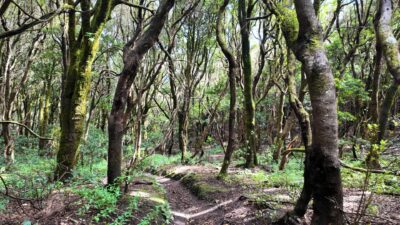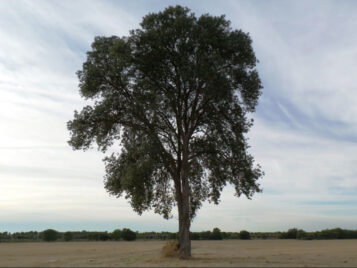

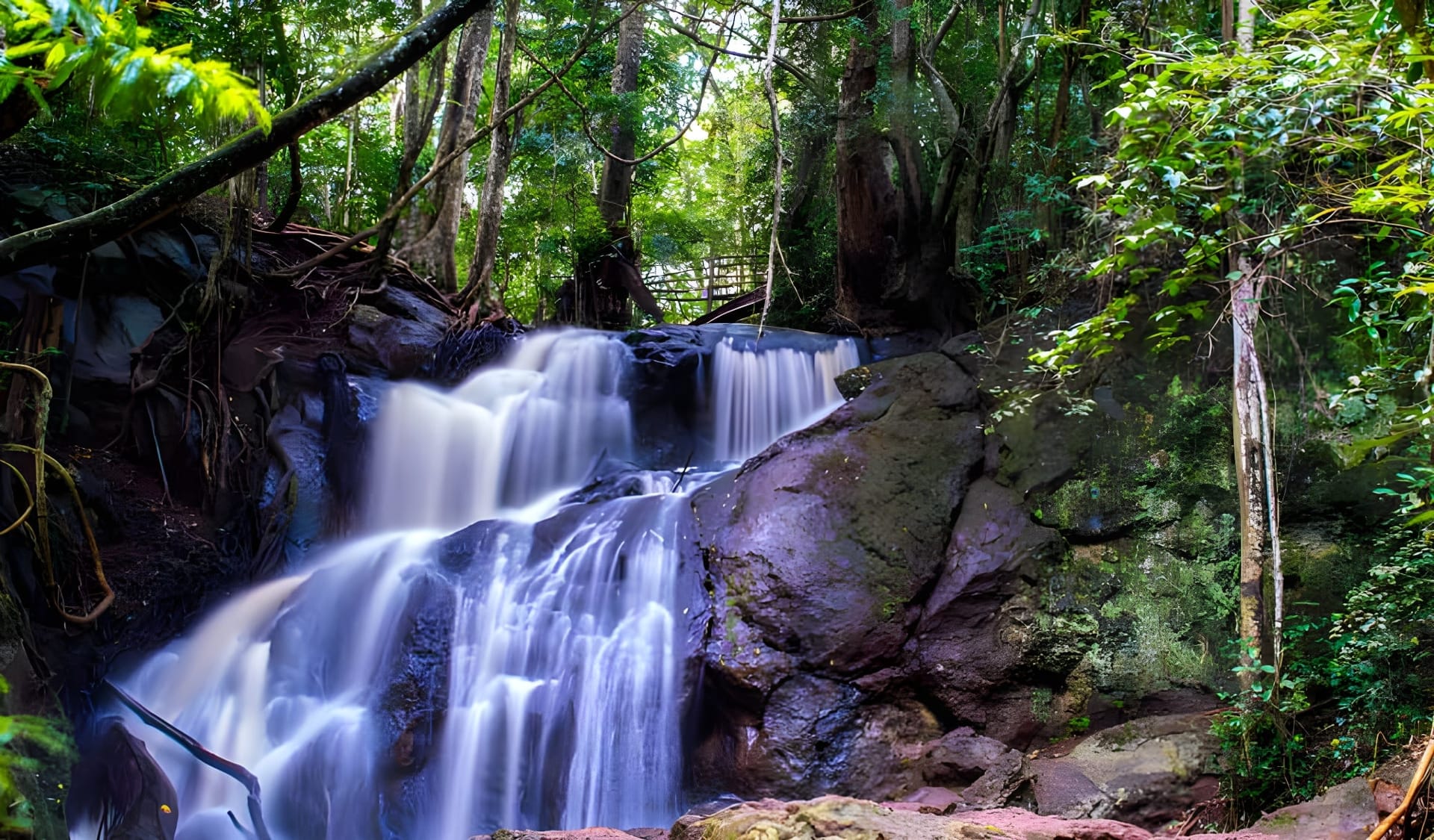
Karura Forest, located in the heart of Nairobi, Kenya, is one of the largest urban forests in the world. It is a remarkable example of environmental conservation and community resilience within a bustling capital city. Once threatened by illegal land grabs and deforestation in the 1990s, the forest was saved through a landmark public campaign led by the late Nobel Laureate Professor Wangari Maathai and the Green Belt Movement. Today, it stands as a pristine, multi-use ecosystem managed by the Kenya Forest Service (KFS) in partnership with the Friends of Karura Forest (FKF), offering a vital green lung, a recreational hub, and a biodiversity refuge for Nairobi’s residents and wildlife.
Key Information
- Location: Northern Nairobi, Kenya, stretching through the suburbs of Muthaiga, Gigiri, and Runda.
- Size: Approximately 1,041 hectares (2,573 acres).
- Status: A protected Central Forest Reserve.
- Ecosystem Type: A unique blend of indigenous dry upland forest, riverine forest along the Gitathuru and Karura rivers, and planted exotic species areas.
- Climate: Typical Nairobi highland climate, with moderate temperatures (average 17-24°C / 63-75°F) and a bimodal rainfall pattern (long rains March-May, short rains Oct-Nov).
Type of Trees and Flora
The forest is a mosaic of indigenous and exotic tree species, with the protected indigenous sections being of the highest ecological value.
Dominant Indigenous Tree Species:
- Mugumo (Syzygium guineense): The iconic African fig or waterberry tree, considered sacred by many Kenyan communities. Large, old specimens are focal points in the forest.
- Yellowwood (Podocarpus falcatus): A towering, valuable indigenous softwood, important for forest structure.
- Meru Oak (Vitex keniensis): A large, beautiful hardwood tree native to Kenya’s highland forests.
- Riverine Species: Along the waterways, trees like Tropical Elder (Polyscias fulva) and various Croton species thrive.
Other Characteristic Flora:
- Bamboo Groves: Stands of bamboo (Oldeania alpina, formerly Yushania alpina) create dense thickets in wetter areas.
- Exotic Plantations: Historical plantations of Cypress (Cupressus lusitanica) and Pine (Pinus patula) exist, which are being gradually phased out in favor of indigenous regeneration.
- Ferns, Lianas, and Epiphytes: The riverine forest sections feature a lush understory of ferns and climbers.
- Wildflowers and Grasses: The forest edges and clearings support a variety of grasses and flowering plants.
Longevity of the Specimens
The age of trees in Karura varies significantly between the indigenous forest and the historical plantations.
- Ancient Indigenous Trees: The oldest Mugumo (Fig) and Meru Oak trees in the untouched indigenous sections of the forest are true veterans. They are estimated to be several centuries old, having witnessed the transformation of the area from wild woodland to the outskirts of a modern metropolis. Their longevity is a testament to the forest’s ancient history.
- Exotic Plantations: The Cypress and Pine trees, planted in the mid-20th century, have a typical lifespan for timber species. The oldest of these are between 60 and 80 years old and are part of the forest’s managed logging and regeneration cycle.
- Growth and Regeneration: The preservation efforts have allowed for natural regeneration of indigenous species. The forest is a dynamic ecosystem with trees of all ages, from ancient giants to young saplings, ensuring its future continuity.
Ecological and Social Importance
- Urban Biodiversity Refuge: It provides a critical habitat for over 200 species of birds and numerous mammals within the city, including Sykes’ monkeys, bushbucks, genets, porcupines, and the elusive African civet. It is a birdwatcher’s paradise.
- Water Catchment Protection: The forest protects the headwaters of the Karura and Gitathuru Rivers, which feed into the Nairobi River basin, stabilizing water flow and improving water quality for the city.
- Recreation and Well-being: It is an unparalleled recreational asset for Nairobians, with over 50km of trails for walking, running, and cycling, a waterfall, picnic sites, and a café. It promotes physical and mental health.
- Historical and Cultural Site: The forest contains Mau Mau freedom fighter caves from the independence struggle, adding a profound historical layer. The successful citizen-led battle to save it is a cornerstone of Kenya’s environmental movement.
- Climate Regulation: As a vast green space, it mitigates Nairobi’s urban heat island effect, absorbs carbon dioxide, and produces oxygen.