

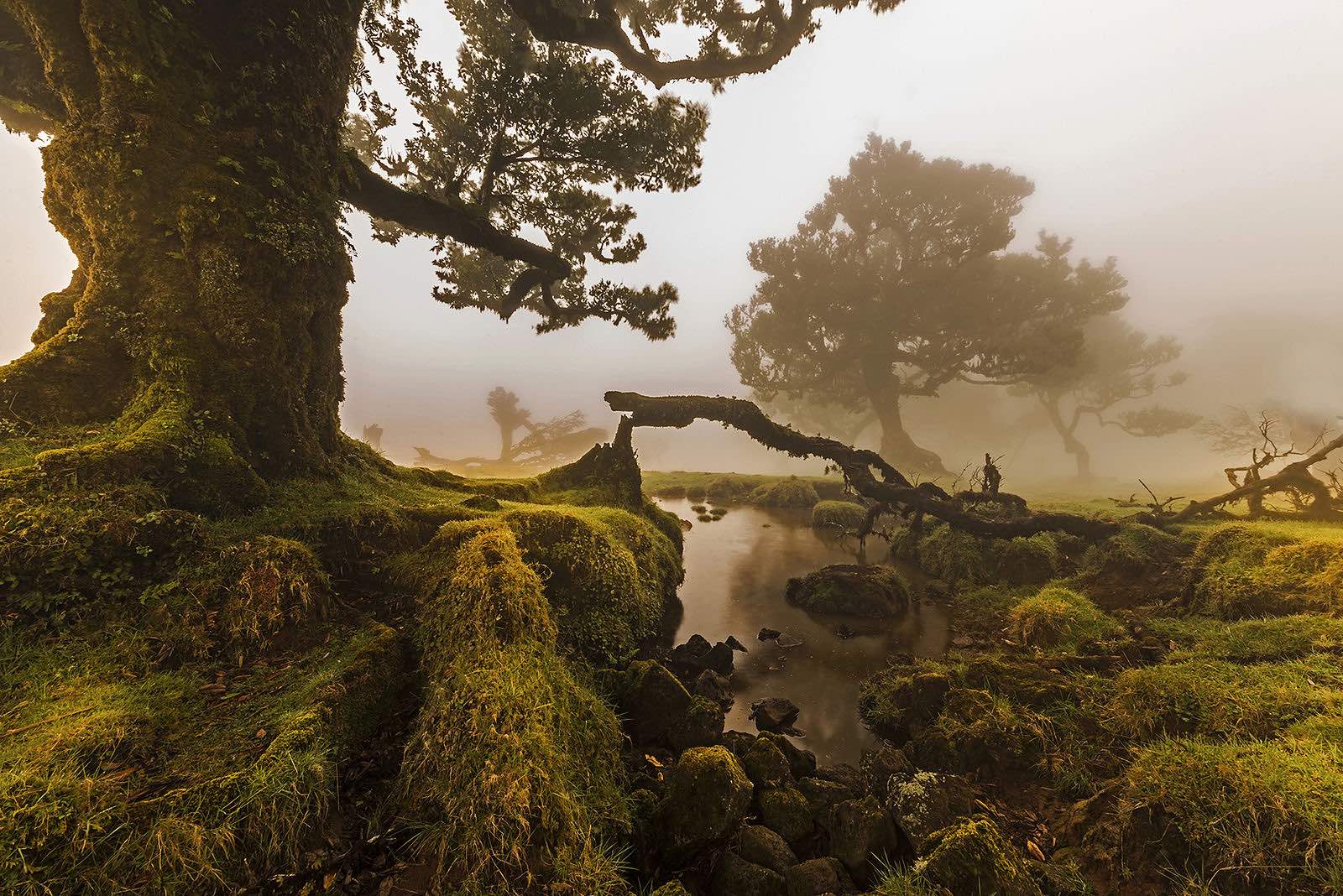
Fanal Forest is one of the most magical and well-preserved remnants of the ancient Laurisilva forest in the world. Located on the island of Madeira, Portugal, this unique ecosystem is a place of mist-shrouded trees, ancient twisted trunks, and an almost mystical atmosphere. Designated as a UNESCO World Heritage Site, Fanal is a living museum of a subtropical forest that once covered much of Southern Europe millions of years ago . It is a protected area within the Madeira Natural Park and is classified as a “Rest and Silence Reserve” due to its exceptional ecological value and tranquility .
Key Information
- Name: Fanal Forest (Bosque de Fanal)
- Location: Paul da Serra plateau, in the municipality of Porto Moniz, northern coast of Madeira Island, Portugal
- Elevation: Approximately 1,100 meters above sea level
- Status: Part of the Laurisilva of Madeira, a UNESCO World Heritage Site (designated in 1999). It is also a European Site of Community Importance (Natura 2000 network)
- Ecosystem Type: Subtropical humid Laurisilva forest (laurel forest), a relic of the Tertiary period
- Climate: Mild temperatures year-round with very high humidity. The forest is frequently covered in morning fog (horizontal precipitation), which is essential for its ecosystem
Type of Trees and Flora
The Fanal forest is a prime example of the Laurisilva ecosystem, characterized by evergreen trees with lauroid leaves. The forest comprises a range of unique climax vegetation predominantly endemic and from the evergreen laurel family .
Dominant Tree Species:
- Til (Ocotea foetens): Also known as “stinkwood,” this is the iconic tree of Fanal. Many of the ancient, twisted specimens in the forest are this species. Its gnarled, moss-covered trunks create the forest’s signature fairy-tale appearance .
- Laurisilva Complex: Other members of the laurel family present include Laurus novocanariensis (Azores laurel), Persea indica (viñátigo), and Apollonias barbujana (barbusano).
Other Characteristic Flora:
- Mosses and Bryophytes: The forest is renowned for the thick layer of moss that covers the ancient tree trunks and branches. This is a key indicator of the forest’s pristine humidity levels .
- Ferns: A lush understory of ferns thrives in the damp conditions.
- Endemic Species: The forest is a haven for unique plants and birds found nowhere else on Earth .
Longevity of the Specimens
The trees of Fanal are among the oldest living organisms in Europe. Their age is a testament to the forest’s stability and the protective measures that have preserved it for centuries.
- Ancient Specimens: Many of the til trees (Ocotea foetens) in Fanal are estimated to be 500 years old. Some of the oldest and most impressive individuals are believed to date from before the Portuguese discovery of Madeira in the 15th century, making them over 600 years old .
- Millennial Trees: Some sources suggest that a few exceptional specimens may be between 500 and 1,000 years old . These trees have survived for centuries, their twisted branches sculpted by time and the persistent Atlantic winds.
- Growth and Character: These ancient trees grow very slowly in the humid, competitive environment. They develop massive, gnarled trunks covered in a thick layer of moss and lichen, creating the enchanted, timeless landscape that Fanal is famous for .
Ecological and Cultural Importance
- UNESCO World Heritage Site: Fanal is part of the Laurisilva of Madeira, a site inscribed by UNESCO in December 1999. The Laurisilva forest is considered a “living fossil” from the Tertiary period (15 to 40 million years ago) and is one of the largest and best-preserved laurel forests in the world .
- Biodiversity Hotspot: The forest provides a crucial habitat for an immense variety of endemic species. It is a haven for birds such as the Laurel Pigeon (Columba trocaz) and the Madeira Firecrest (Regulus madeirensis), as well as a vast array of endemic insects, snails, and plants .
- Hydrological Balance: The Laurisilva forest plays a vital role in the island’s water cycle. It captures moisture from the fog (horizontal precipitation), which condenses on the leaves and moss and drips to the ground, recharging the island’s aquifers and feeding its famous levadas (irrigation channels). It is said to provide a significant percentage of the region’s fresh water .
- Threats and Protection: In recent years, the Fanal area has faced pressures from activities such as unregulated grazing and tourism. In response, legislative proposals have been made to establish an “Exclusive Protection Zone” to ban grazing, control invasive species, and promote sustainable tourism, ensuring the forest’s preservation for future generations .